How Automation Is Changing the Talent Game in Manufacturing

How Automation Is Changing the

Talent Game in Manufacturing

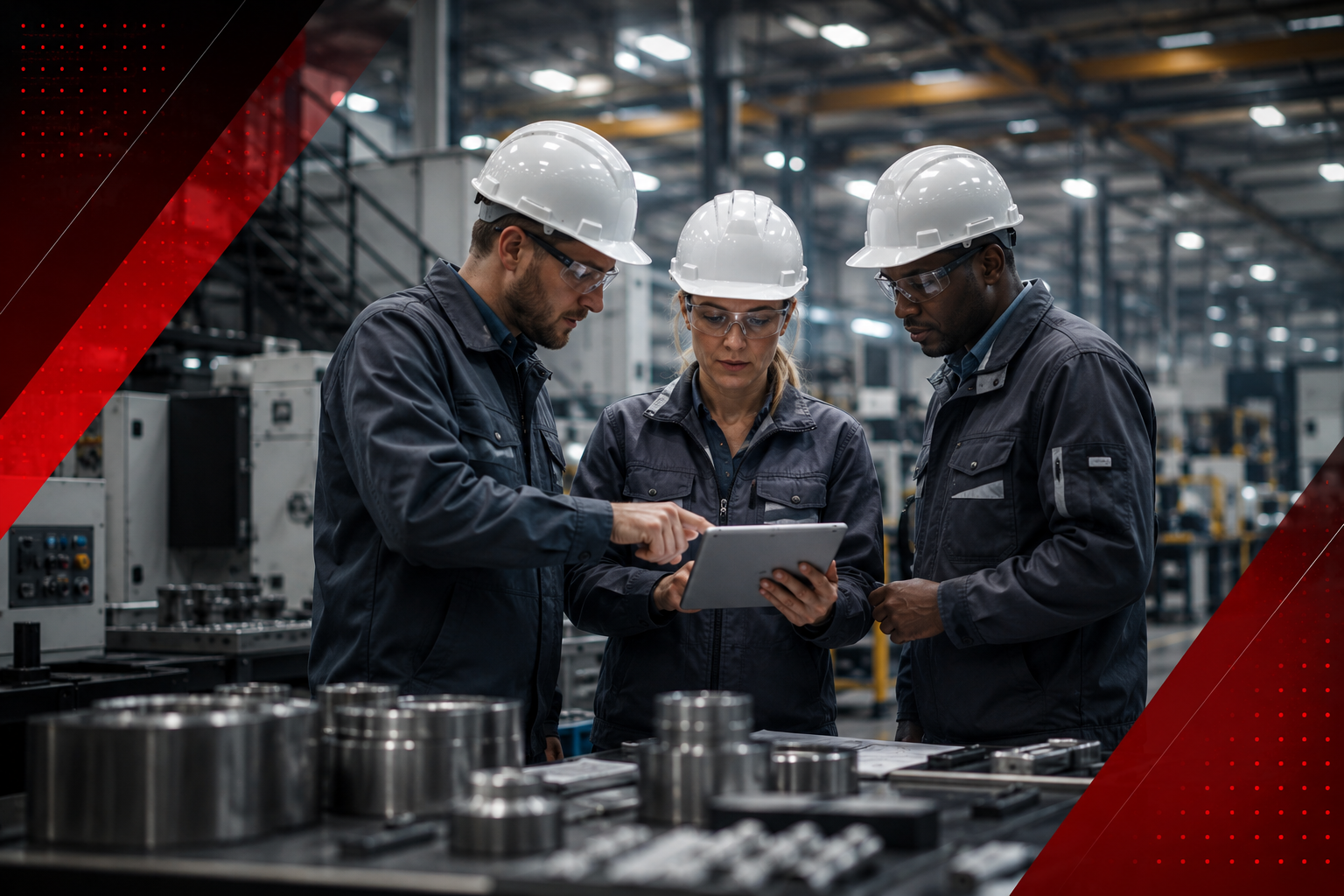
Automation is not just changing how products are made. It is changing who makes them and how companies think about talent. Across manufacturing, leaders are realizing that the real challenge is not the technology itself. It is finding, developing, and keeping the right people who can make that technology deliver results.


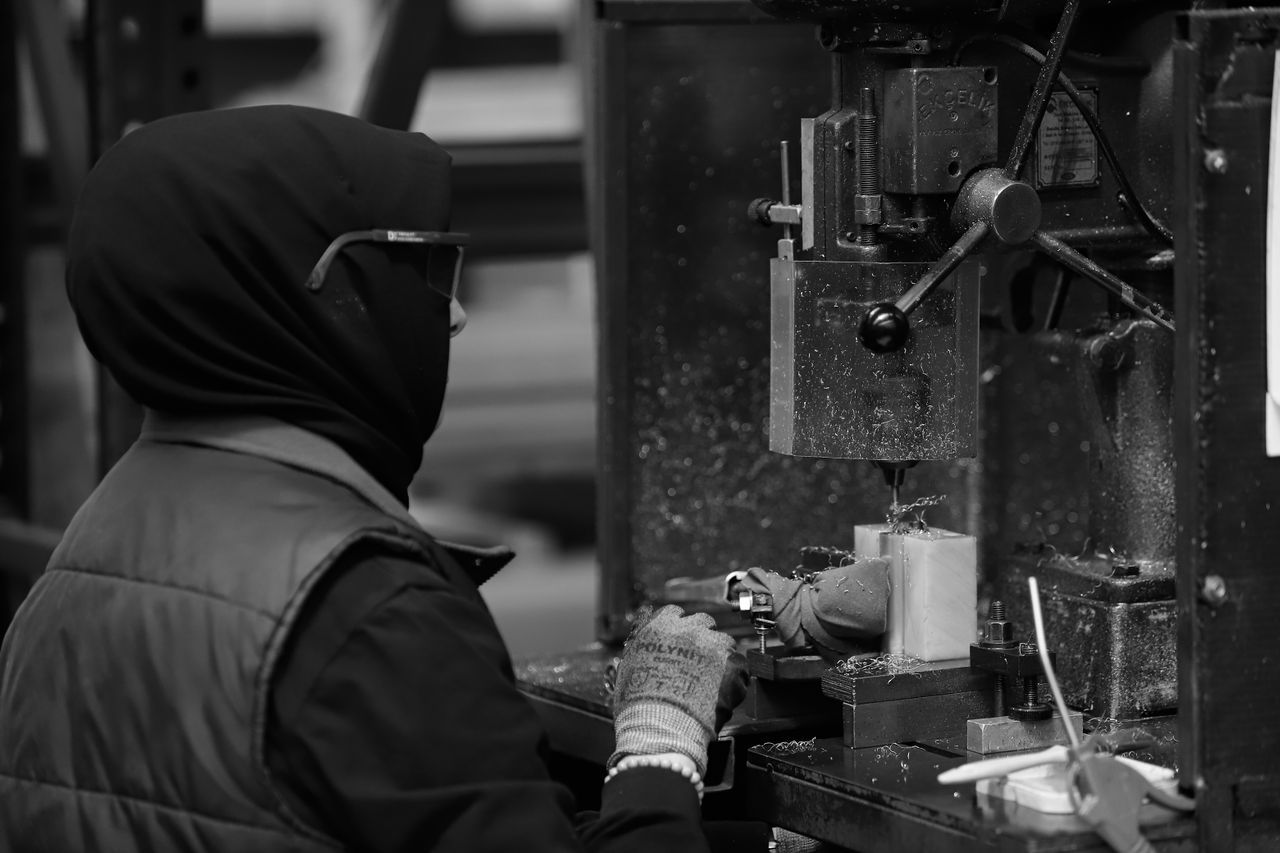
As automation advances, the demand for new skills is growing faster than most companies can adapt. The best employees today combine technical knowledge with problem solving, data literacy, and leadership ability. They can move between the production floor and the digital systems that support it. Traditional roles are blending, and job descriptions that once made sense no longer fit. It is no longer about hiring someone who can simply operate a machine. It is about hiring people who understand process, analytics, and innovation all at once.


1.    Understand the Business Inside and Out

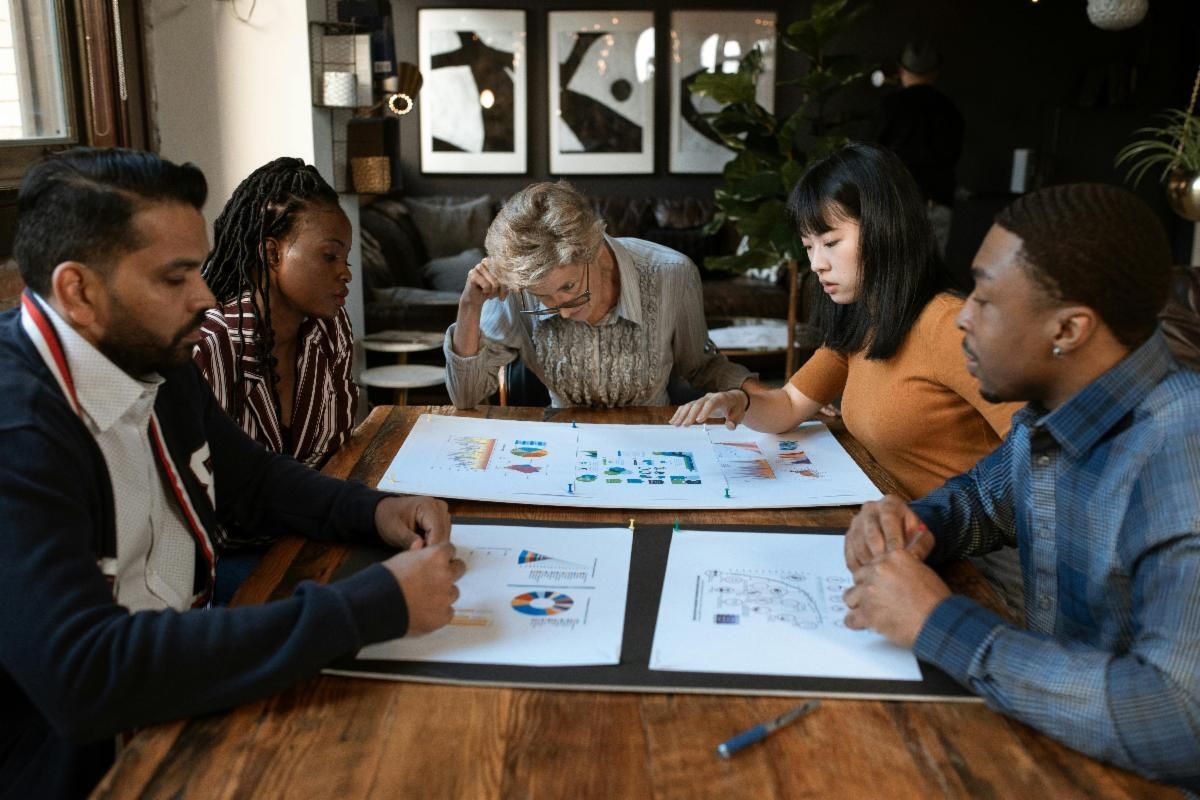
You can't be strategic if you don't know where the business is heading. As an HR leader, I made it my mission to understand our company's strategic plan, market position, and competitive landscape. I attended strategy meetings, pored over financial reports, and regularly met with executives from other departments. This allowed me to anticipate future talent needs and proactively plan our workforce strategy.

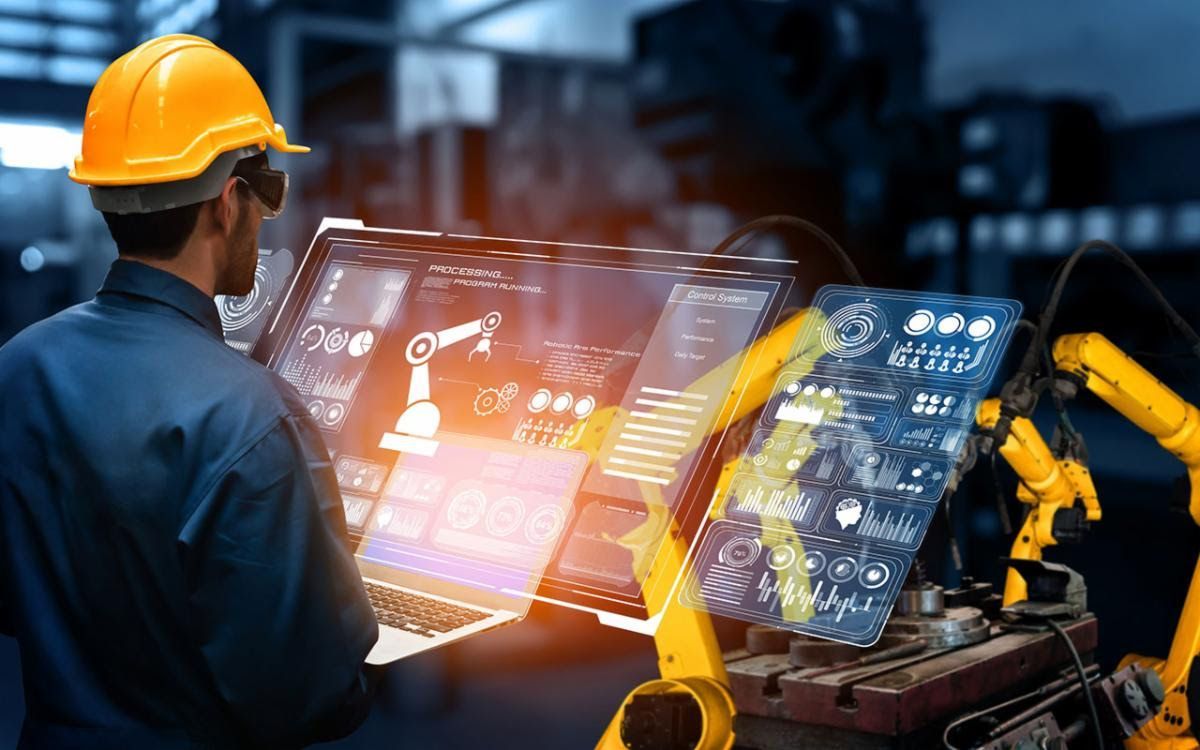
But the real difference maker in this transformation is leadership. The most successful executives know that implementing automation is as much about people as it is about technology. The introduction of robotics, artificial intelligence, or smart systems often brings uncertainty, and strong leaders understand how to manage that change. They communicate early, explain the reason behind new initiatives, and create opportunities for employees to learn and grow with the technology. When people understand the vision, they are far more likely to support it.

The manufacturing talent shortage has not gone away. It has simply evolved. Automation has created a new kind of competition for talent. Companies are no longer just trying to fill open positions. They are competing for people who can think strategically, connect technical and operational priorities, and lead through constant change. At the same time, younger generations are looking for meaning, innovation, and growth — qualities manufacturing can offer when leaders know how to communicate them.


For executives, this means thinking differently about talent strategy. Instead of waiting for the perfect candidate to appear, invest in developing the people you already have. Build programs to strengthen technical and leadership skills. Redefine what leadership looks like in your organization. Digital literacy, adaptability, and emotional intelligence are no longer optional — they are essential. And do not overlook the value of partnering with experts who understand both manufacturing and the evolving talent market. The companies that treat recruiting as a long-term strategy, not a quick transaction, are the ones that stay ahead.


Automation is changing the game, but the fundamentals remain the same. Great manufacturing companies are still built by great people. The technology may be smarter, the systems faster, and the data richer, but success still depends on leaders who can connect vision, capability, and culture. The organizations that understand technology succeed only when people do will be the ones shaping the future of manufacturing.


Christina Rever Stroud SPHR


🌐 Group928.com     📞 864-334-6979     📩  Christina@group928.com

By Christina Stroud January 1, 2026
The First Post Acquisition Hire Patterns I’ve Seen After 30+ Years in Manufacturing
By Christina Stroud August 1, 2025
What to Look for in Hiring New Executives in Private Equity 
By Christina Stroud July 28, 2025
Think You're Their Only Option? Think Again
By Christina Stroud April 18, 2025
Communicating Business Status in Uncertain Times
By Christina Stroud January 31, 2025
The Ripple Effects of Tariffs
By Christina Stroud November 26, 2024
Political Climate Is Shaping Hiring Trends
More Posts