
The First Post Acquisition Hire Patterns I’ve Seen After 30+ Years in Manufacturing

The First Post Acquisition Hire

Patterns I’ve Seen After 30+ Years in Manufacturing

I have spent more than three decades working inside PE-owned manufacturing companies, and I have seen acquisitions from the inside not just from the boardroom view. Every deal brings urgency, pressure, and a clear expectation to move quickly. That pace makes sense. What often gets less attention is how much weight the earliest leadership decisions carry once the acquisition is complete.

One pattern has shown up consistently over the years. The first executive hire made after an acquisition has an outsized impact on everything that follows.


Not because it is always the most senior role. And not because it is the most visible decision. But this hire becomes the bridge between private equity expectations and manufacturing reality. When that bridge is strong, execution accelerates. When it is not, progress slows quietly and risk increases.


Why the First Hire Is Different


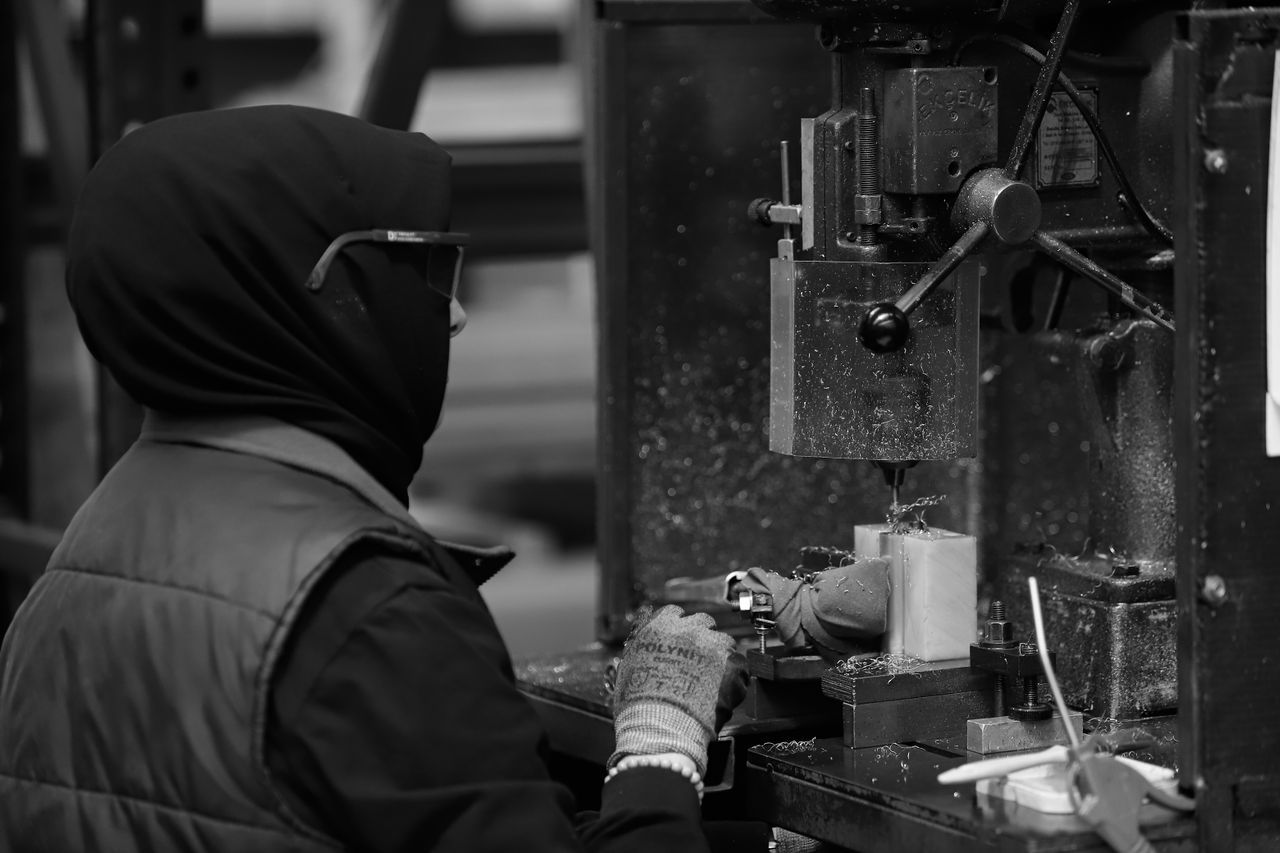
Manufacturing organizations absorb change differently than other PE-backed businesses. Processes are physical. Risk is operational. Labor dynamics matter. Trust is built through presence, consistency, and credibility on the floor.


1.    Understand the Business Inside and Out

You can't be strategic if you don't know where the business is heading. As an HR leader, I made it my mission to understand our company's strategic plan, market position, and competitive landscape. I attended strategy meetings, pored over financial reports, and regularly met with executives from other departments. This allowed me to anticipate future talent needs and proactively plan our workforce strategy.

The first post acquisition hire often becomes the translator. This leader turns board-level priorities into daily operating behavior. When that translation is done well, urgency and stability coexist. When it is not, even well-designed strategies struggle to take hold.


Across PE-owned manufacturing companies, I have seen situations where the strategy was sound and capital was available, yet execution stalled within the first year. In most cases, the issue was not the plan. It was the sequencing and intent behind the first leadership hire.


When It Goes Right


In acquisitions where momentum builds instead of stalls, the first hire tends to follow a few consistent patterns.


Strong early hires focus first on credibility rather than authority. They spend time listening and learning before driving change. They respect what is already working while still raising standards. This approach creates trust and in manufacturing environments trust moves faster than directives.


Another pattern is balance. The most effective leaders understand the urgency PE partners face, but they do not confuse speed with force. They stabilize operations, clarify expectations, and align leaders before pushing major transformation. When this balance is right, organizations move faster with less resistance.

Successful first hires also invest early in middle leadership. Plant managers and frontline leaders are the multiplier. When they are engaged and supported, change travels faster and holds. When they are bypassed, execution slows even if top level alignment appears strong.


Finally, restraint matters. Leaders who get this right are thoughtful about what not to change yet. They ask better questions before offering solutions. They separate inherited problems from new expectations. This is not hesitation. It is judgment.

A Risk Decision Disguised as a Hiring Decision


For PE partners and portfolio CEOs, the first post acquisition hire is often treated as a necessary step to maintain momentum. In practice, it is one of the earliest and most consequential risk decisions made after close.


When approached with intention, this hire reduces execution risk across the hold period. It stabilizes the organization during a moment of change. It improves adoption of strategic initiatives. And it creates a leadership foundation that supports future decisions rather than forcing correction later.


Over time, the pattern is clear. Acquisitions that prioritize leadership judgment early experience fewer downstream surprises. Less turnover in critical roles. More predictable execution.


After decades inside PE-owned manufacturing companies, the strongest outcomes I have seen did not come from rushing this decision. They came from recognizing it for what it is. An early opportunity to reduce risk before it compounds.

Christina Rever Stroud SPHR


🌐 Group928.com     📞 864-334-6979     📩  Christina@group928.com

By Christina Stroud October 1, 2025
How Automation Is Changing the  Talent Game in Manufacturing
By Christina Stroud August 1, 2025
What to Look for in Hiring New Executives in Private Equity 
By Christina Stroud July 28, 2025
Think You're Their Only Option? Think Again
By Christina Stroud April 18, 2025
Communicating Business Status in Uncertain Times
By Christina Stroud January 31, 2025
The Ripple Effects of Tariffs
By Christina Stroud November 26, 2024
Political Climate Is Shaping Hiring Trends
More Posts